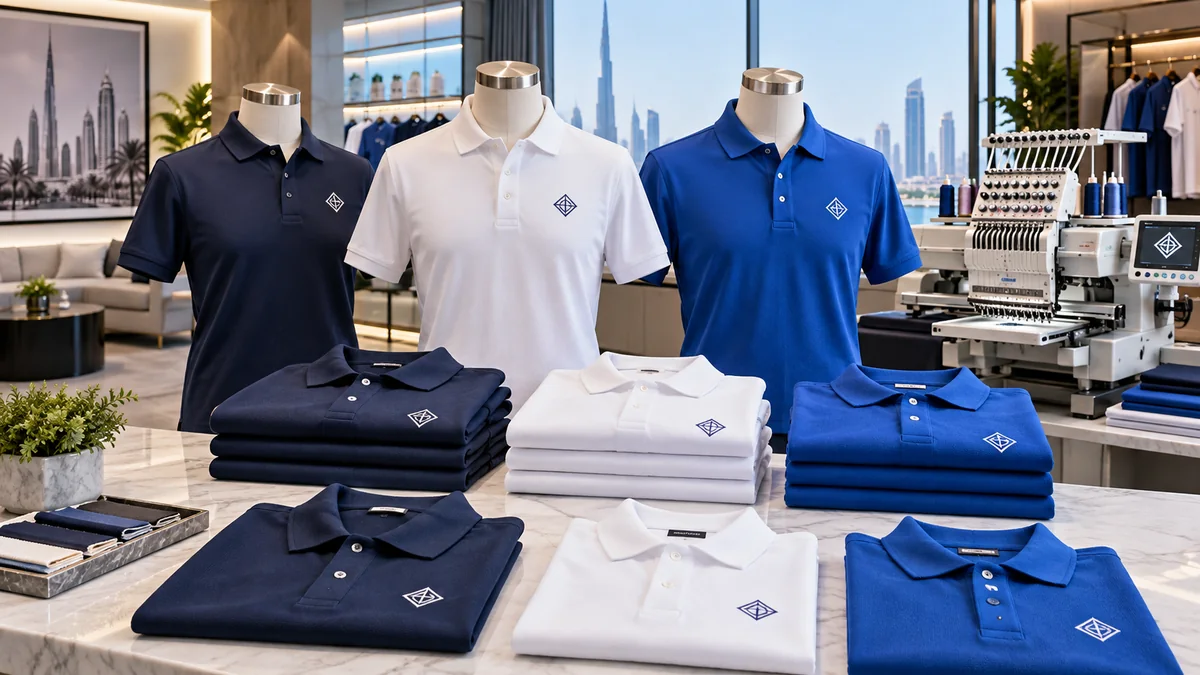
Branded polo shirts sit between formal uniforms and casual T-shirts, which is why they work well for sales teams, supervisors, technicians, retail staff, event crews, hospitality teams and office employees across Dubai. A polo can look professional without feeling too formal, and embroidery gives the company logo a textured, durable finish. The result, however, depends on more than the embroidery machine. Fabric weight, knit type, shirt colour, logo complexity, thread colours, placement and sizing all affect how the finished uniform looks. Businesses ordering in bulk should decide how the polos will actually be worn before selecting the garment.
Cotton, Dry-Fit or Blended Polo?
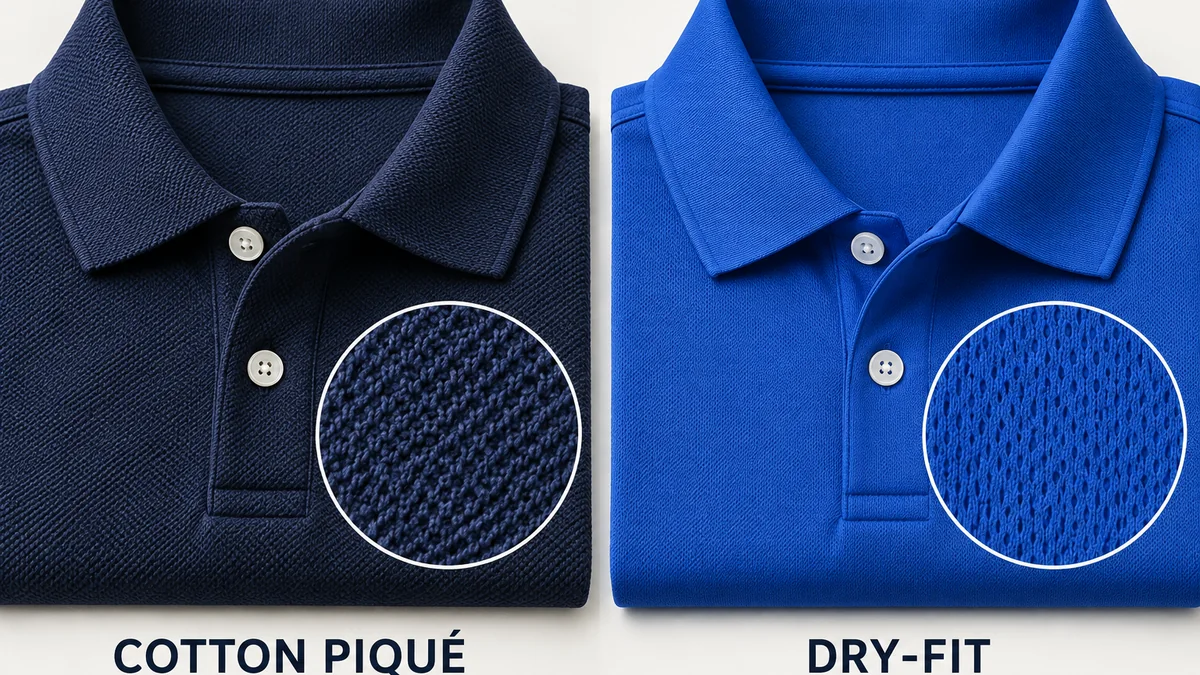
Cotton polos feel familiar and are often chosen for office, retail and customer-facing teams. Performance or dry-fit polos can be more practical for staff working outdoors, moving frequently or operating in warmer environments. Blended fabrics offer another balance between appearance, comfort and maintenance. In Dubai, the working environment should guide the choice. A salesperson moving between air-conditioned offices may value a premium cotton feel, while a delivery or site coordination team may prefer moisture-management fabric. Buyers should ask for the actual fabric composition and, where possible, handle a sample before a large order.

Why Embroidery Works Well on Polo Shirts
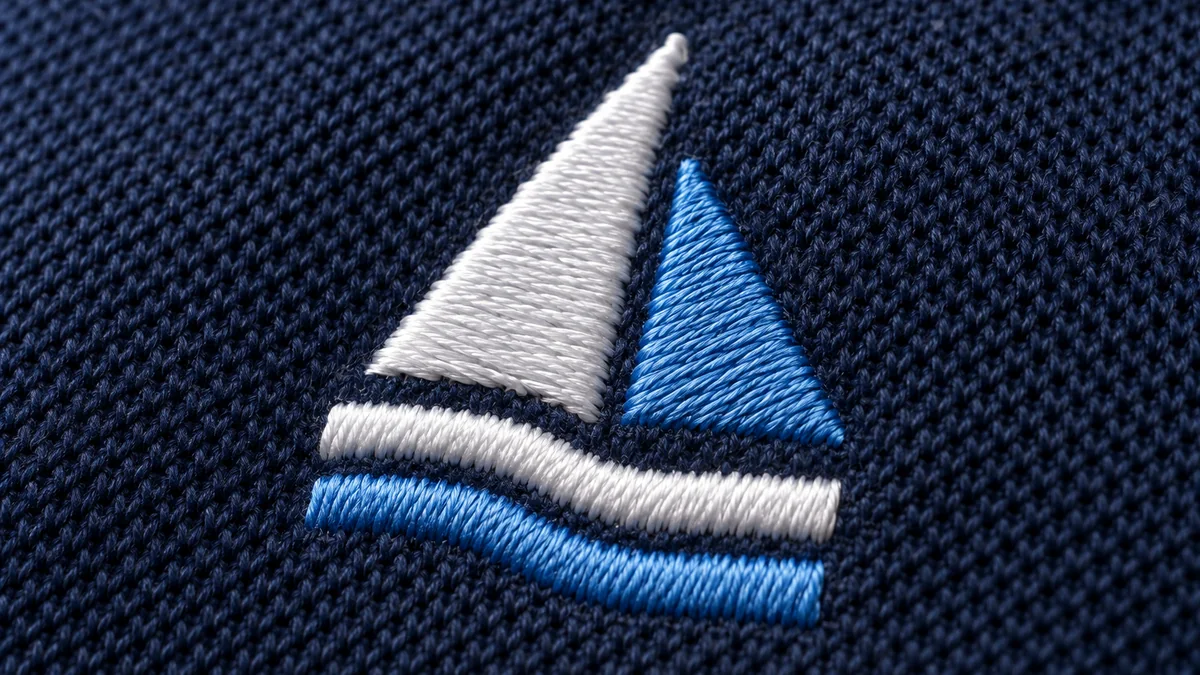
Embroidery creates a raised thread finish that suits chest logos, initials and compact brand marks. It does not rely on a flat printed layer, so it can look particularly polished on piqué and heavier polo fabrics. It is also a familiar choice for corporate uniforms because the logo remains part of the garment’s visual texture. Not every logo should be embroidered exactly as supplied. Tiny text, thin outlines and complex gradients may need simplification. A good embroidery setup converts the artwork into stitches and adjusts density, underlay and thread direction for the garment.
The buyer should approve a digital or physical sample when brand accuracy is important.
Best Logo Placement for Company Polos
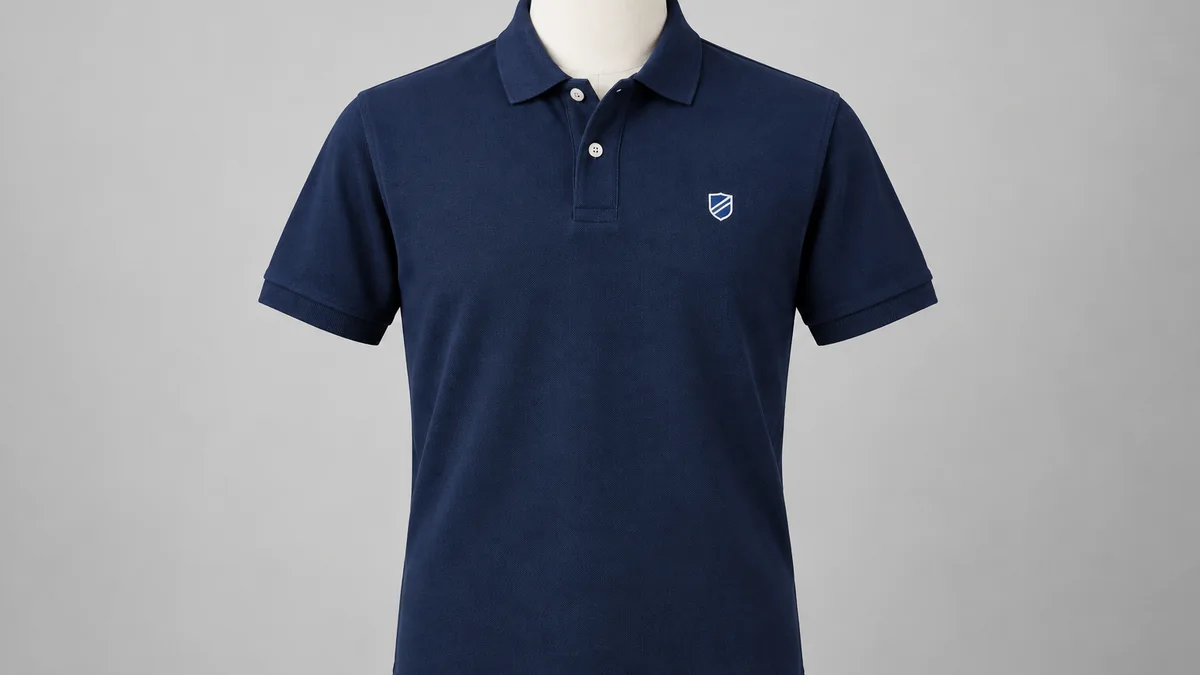
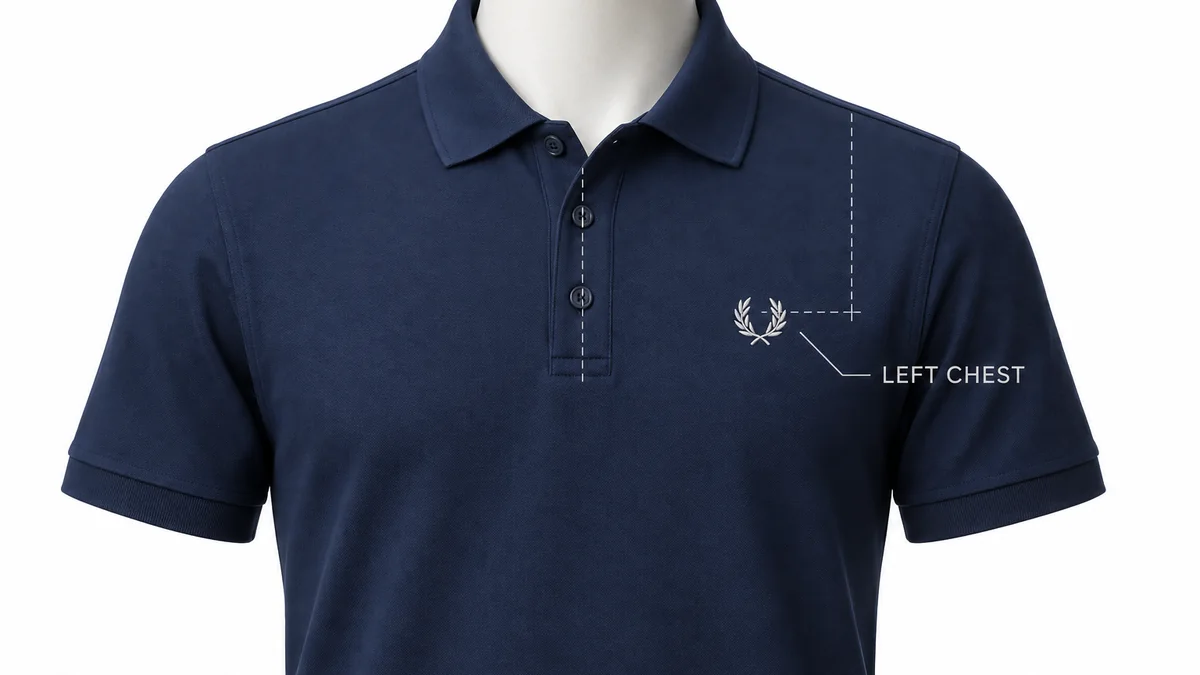
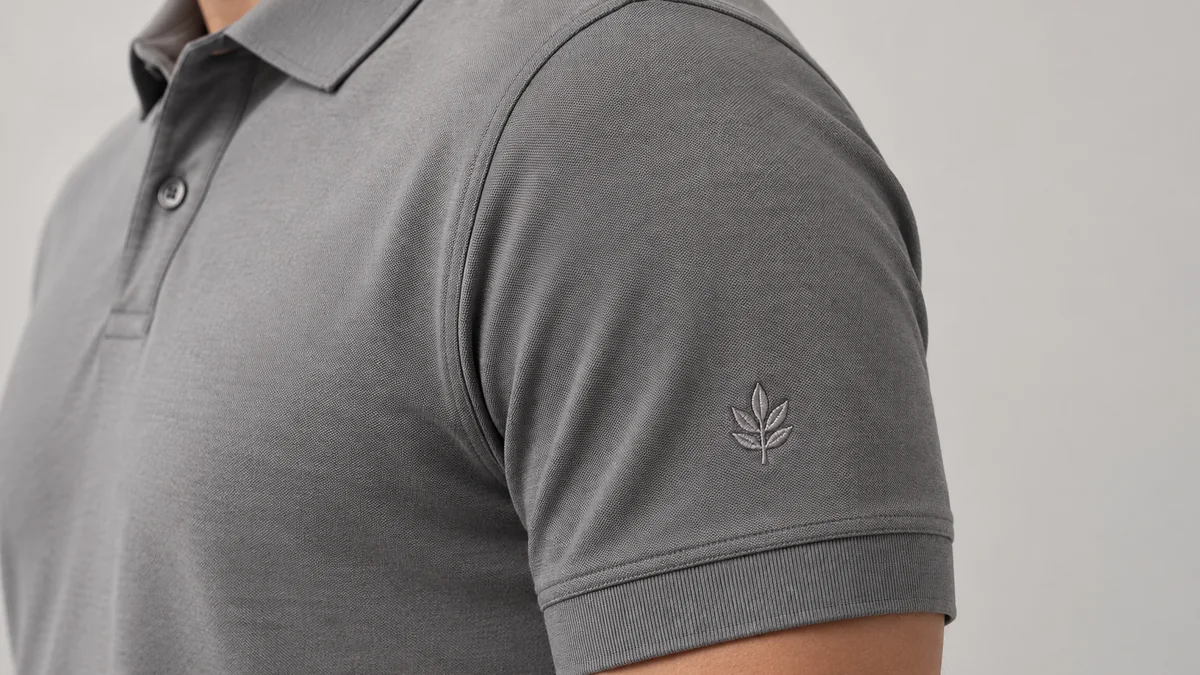
The left chest is the standard position because it remains visible without dominating the shirt. Sleeve embroidery can be used for a secondary logo, department name or flag, while a larger back design may be better printed rather than embroidered because large stitch areas can become heavy and uncomfortable. Keep placement consistent across sizes. The logo should sit in a visually balanced position relative to the placket and sleeve seam. If staff will wear ID cards, safety vests or jackets over the polo, consider whether the chest branding will still be visible.
Choosing Polo Colours for Your Brand
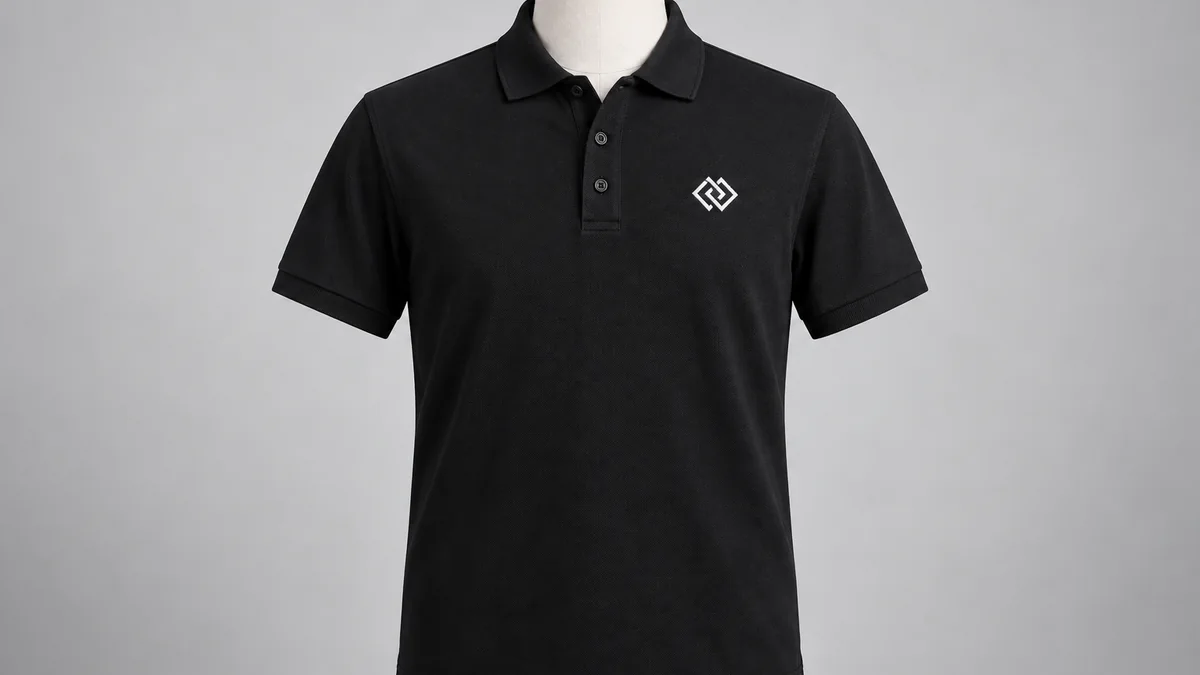
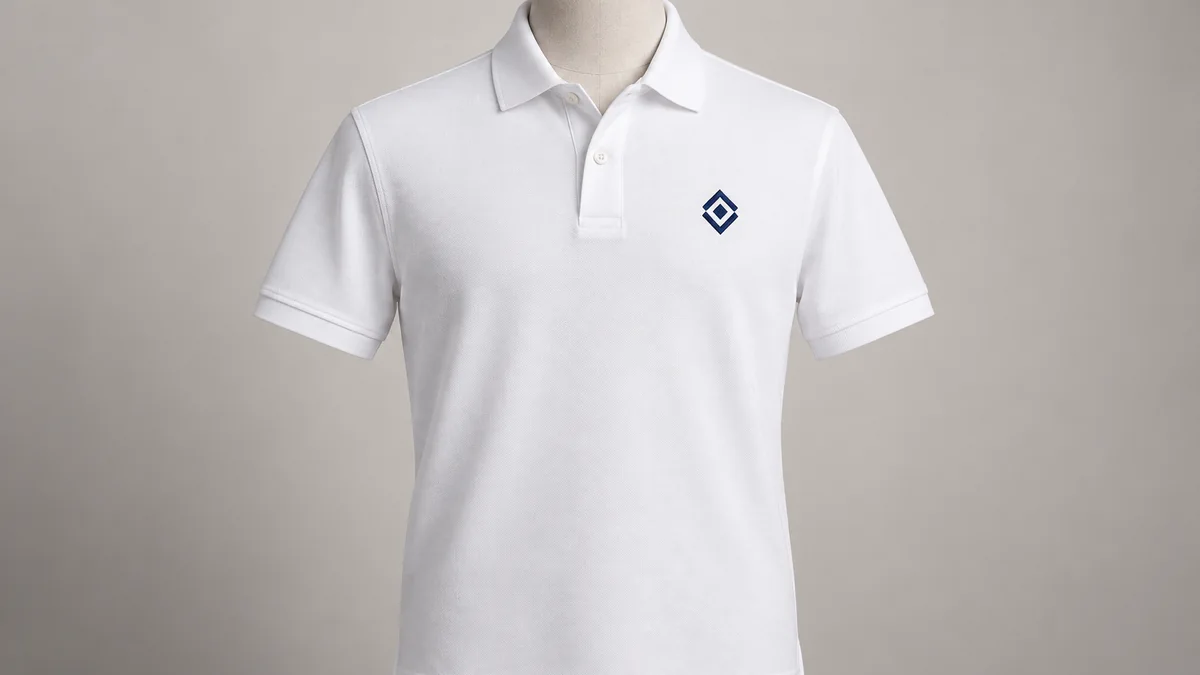
Uniform colour should support the brand but also suit daily work. Navy, black, white, grey and royal blue are common corporate choices because they coordinate easily with trousers and outerwear. Brighter colours can work for events or customer-facing teams but may show dirt differently depending on the environment. Embroidery thread must contrast with the shirt. A white logo on navy is usually clear, while a multicolour logo may require testing on both light and dark polos. If the company uses several shirt colours, prepare approved light-background and dark-background logo versions rather than forcing one thread combination onto every garment.
Sizing and Bulk Ordering
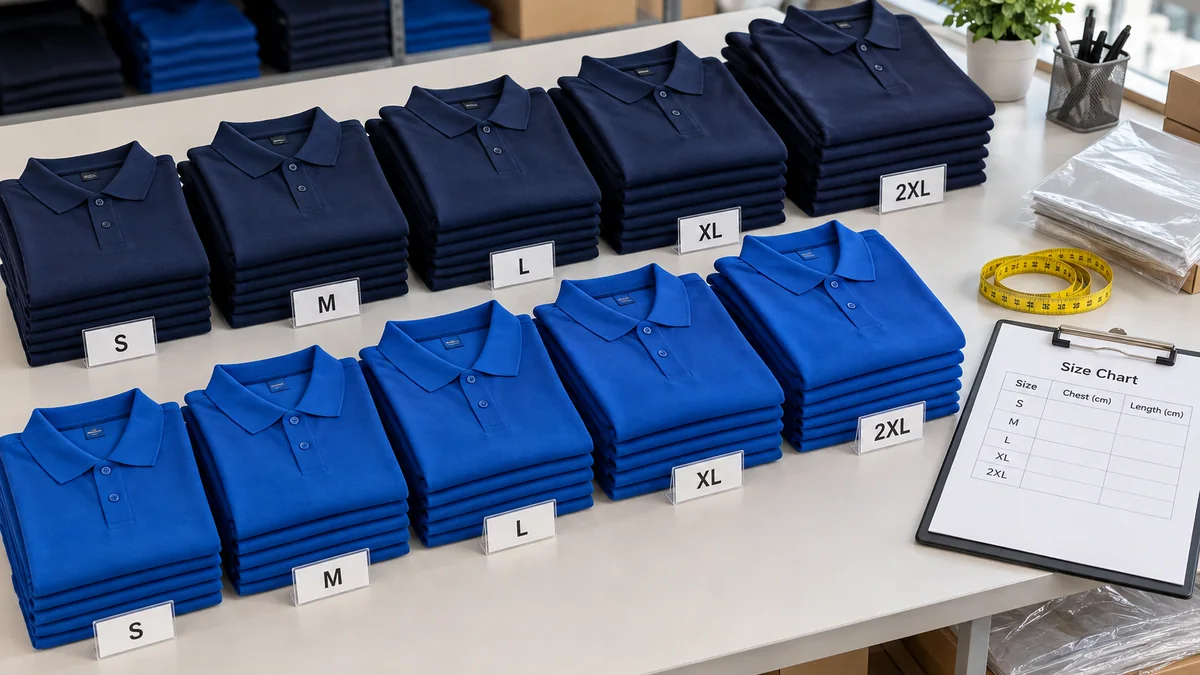
Collecting the correct size split is one of the most important parts of a company polo order. Avoid guessing the entire order from a small sample of employees. Ask the supplier for a size chart and, for larger teams, consider a fitting sample set before production. Order a small buffer of common sizes when staff turnover or new joining dates are expected. For repeat uniform programmes, record the garment model, colour, embroidery size and thread colours. That makes future replenishment more consistent and reduces the risk of the second batch looking different from the first.
Embroidery vs DTF or Heat-Transfer Printing
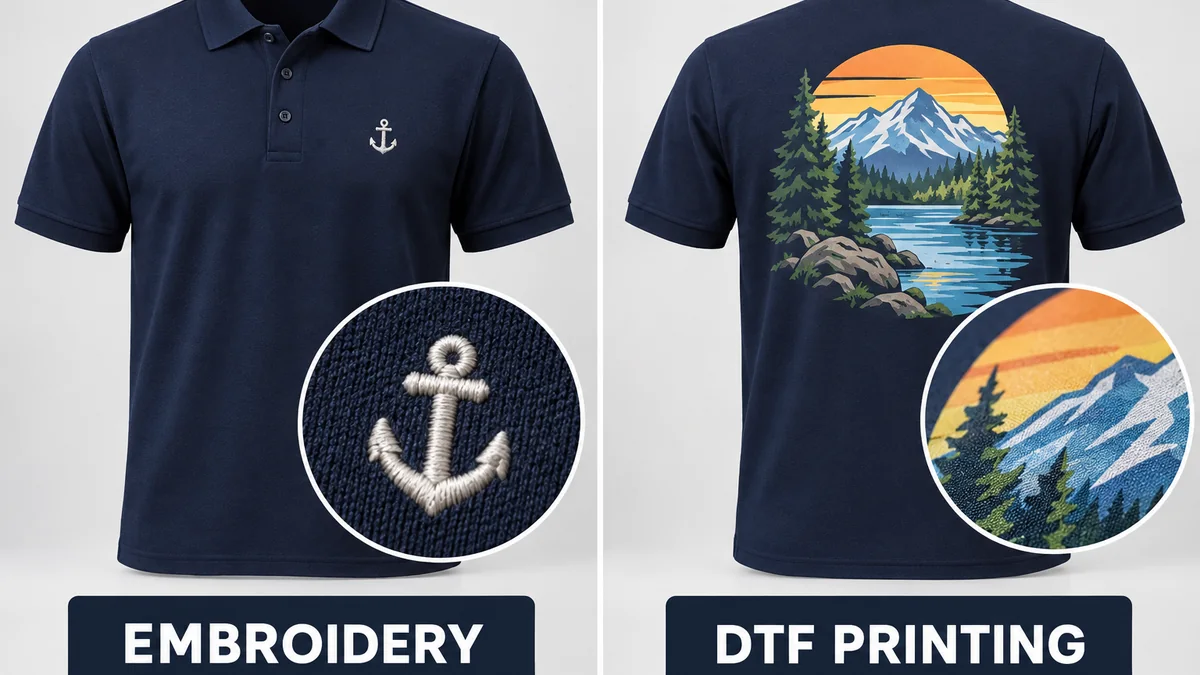
Embroidery is especially strong for compact chest branding and a premium corporate appearance. DTF or heat-transfer printing can reproduce fine detail, gradients and larger graphics more easily. Some uniform orders benefit from using both methods: embroidery on the chest and a printed design or text on the back. The best choice depends on logo detail, placement, quantity, garment fabric and budget. Buyers should not select a method only because it is described as premium or economical. The branding technique should fit the actual artwork and how the shirt will be used.
What to Send When Requesting a Quote
Send the required quantity, preferred polo colour, approximate size split, logo file and required branding positions. Mention whether the team works indoors or outdoors and whether cotton, dry-fit or another fabric is preferred. If you have a deadline for an event, mobilisation or new staff intake, include it at the beginning. Ask for a mockup showing logo size and placement before the full run. For embroidery, confirm the thread colours and whether any small text needs to be simplified. Clear approval at this stage prevents most avoidable corrections.
Planning embroidered polos for your UAE team?
Send the quantity, preferred fabric and colour, size requirements and logo for a branding mockup and quote.
Frequently asked questions
Is embroidery suitable for all polo shirt logos?
Embroidery works best for artwork that translates cleanly into stitches. Very small text, gradients and fine details may need simplification or printing instead.
Where should a company logo be placed on a polo shirt?
The left chest is most common. Sleeves can carry secondary branding, while large back graphics are often more comfortable as a print.
Are dry-fit polos suitable for Dubai staff uniforms?
They can suit active or outdoor teams. Choose the fabric according to the working environment, desired appearance and care requirements.
Can I combine embroidery and printing on the same polo?
Yes. A common combination is an embroidered chest logo with printed text or a larger back graphic.
What information is needed for a bulk polo shirt quotation?
Provide quantity, colour, size split, fabric preference, logo file, branding positions and the required delivery date.