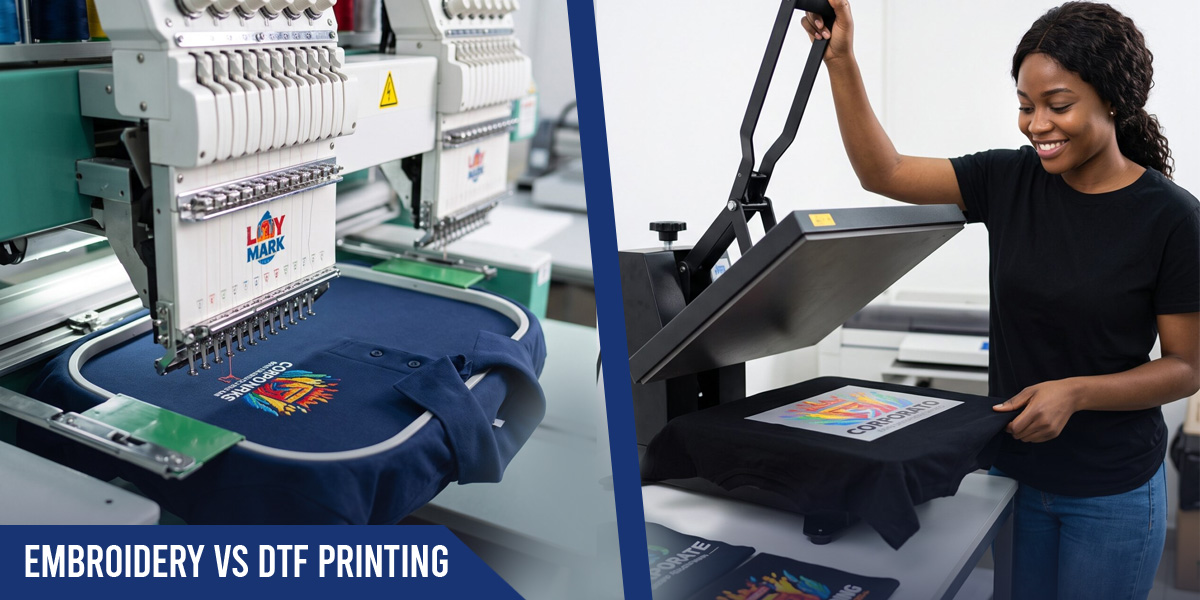
When ordering branded uniforms in Dubai, buyers often ask whether embroidery or DTF printing is better. The useful answer is that the right method depends on the garment, logo, placement, quantity and expected use. A small corporate chest mark on a polo has different requirements from a large multicolour logo across the back of a work shirt.
Xpertone Creative LLC-FZ supplies customizable workwear and uniforms in Dubai. Before branding a bulk order, the logo should be evaluated against the garment so the finished result looks professional and survives normal use.
Companies searching for embroidery in Dubai, DTF printing in Dubai or company uniform printing usually need the same practical answer: which branding method best suits the logo, garment, placement, wash cycle and order quantity. This comparison covers those decisions for UAE workwear buyers.
What is embroidery?
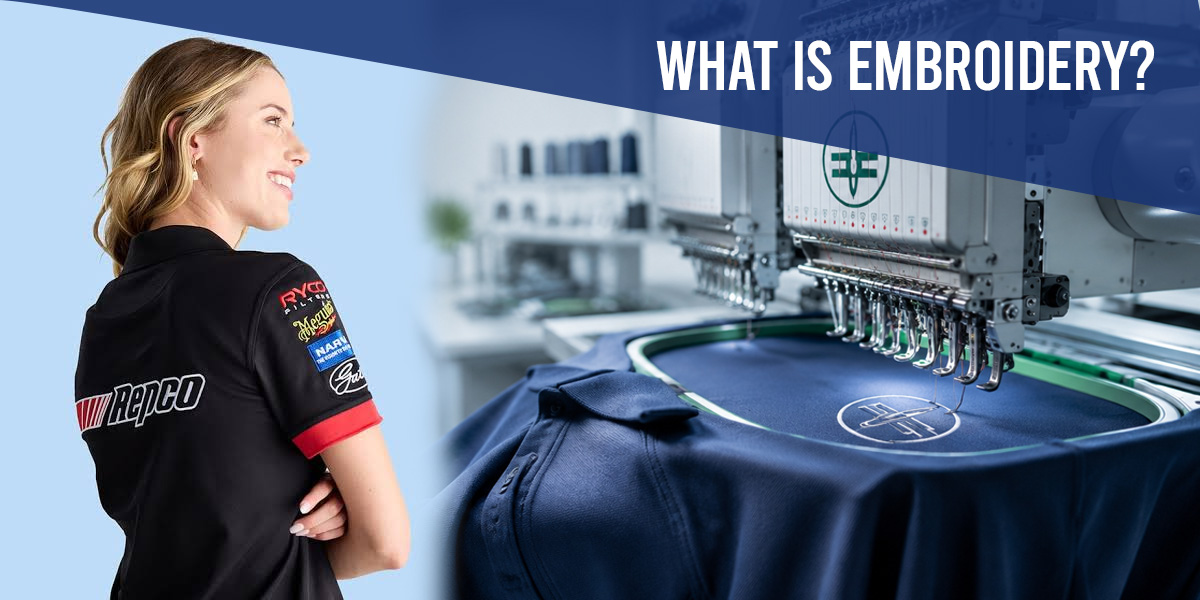
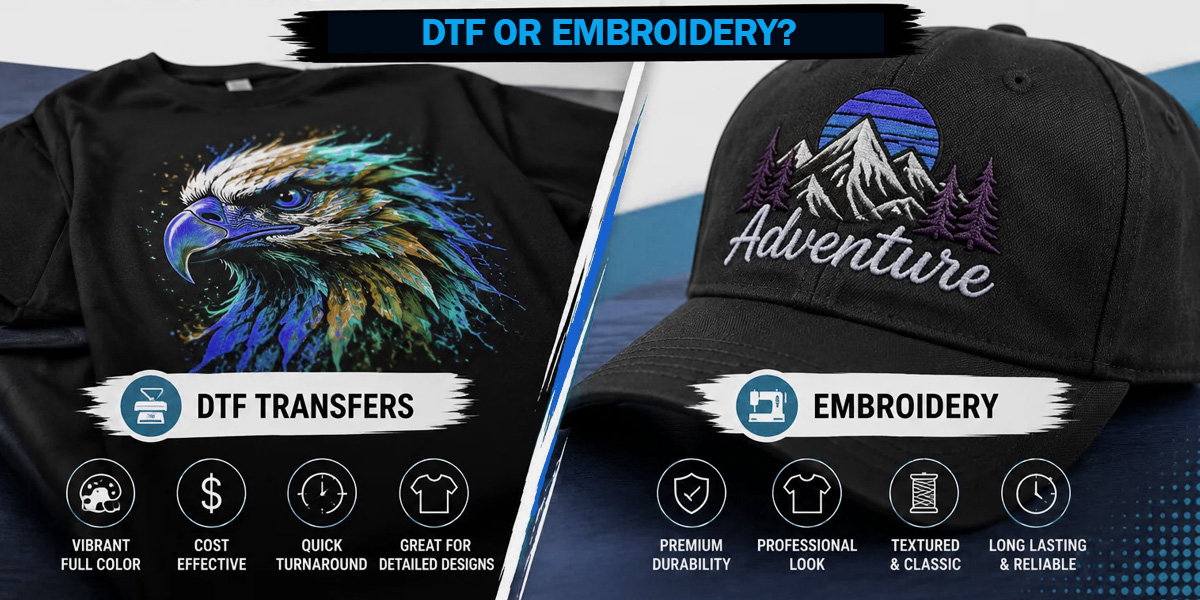
Embroidery builds a logo with thread stitched into the garment. It creates a textured, premium finish and is commonly used for company names and compact logos on polo shirts, work shirts, jackets and selected uniforms. Because the design is stitched, embroidery can be very durable when the garment and thread are suitable.
The trade-off is that dense or very large artwork can become heavy and stiff. Tiny text, photographic detail and smooth colour gradients may also need artwork simplification before stitching.
What is DTF-style printing?
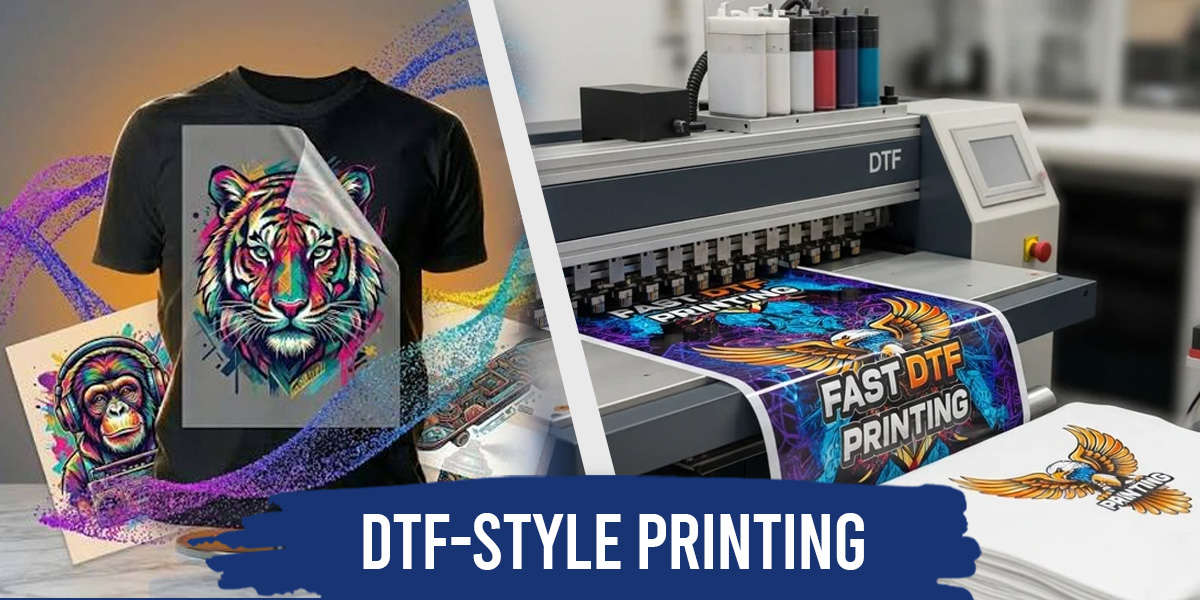
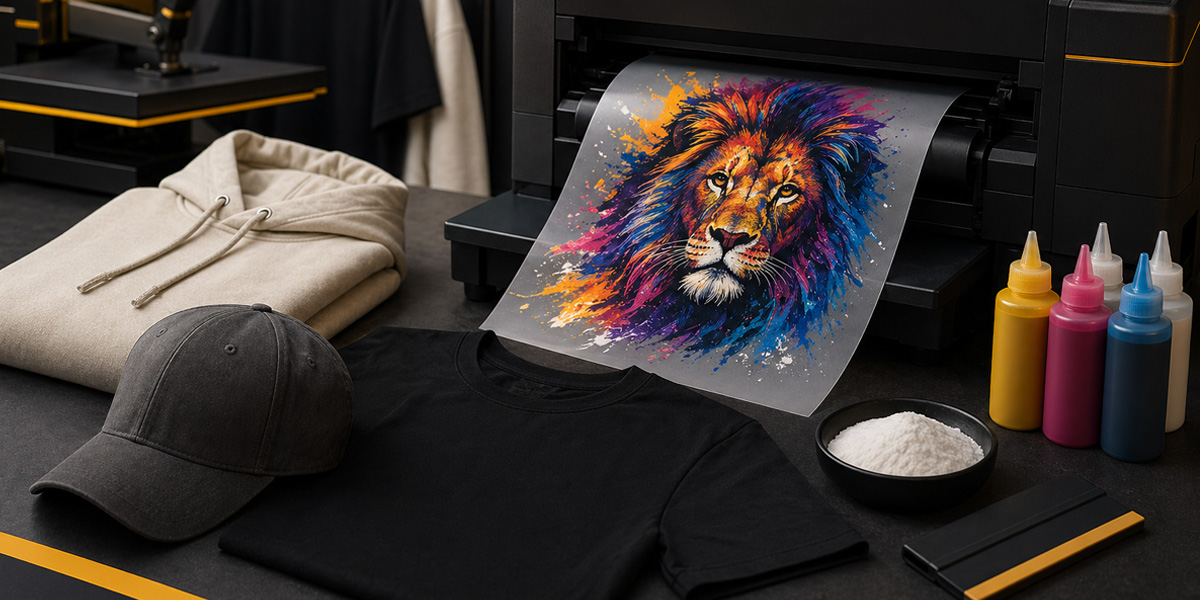
Direct-to-film printing produces artwork that is transferred onto a compatible garment using heat and pressure. It is useful for detailed logos, multiple colours, small lettering and designs that would be difficult to reproduce economically with many embroidery thread changes. It also works well when the branding area is larger.
Not every fabric or garment should be treated identically. Heat tolerance, surface texture, coatings and the way the uniform will be washed all matter. A supplier should test unfamiliar garments before committing to a large run.
Choose embroidery for a premium compact logo
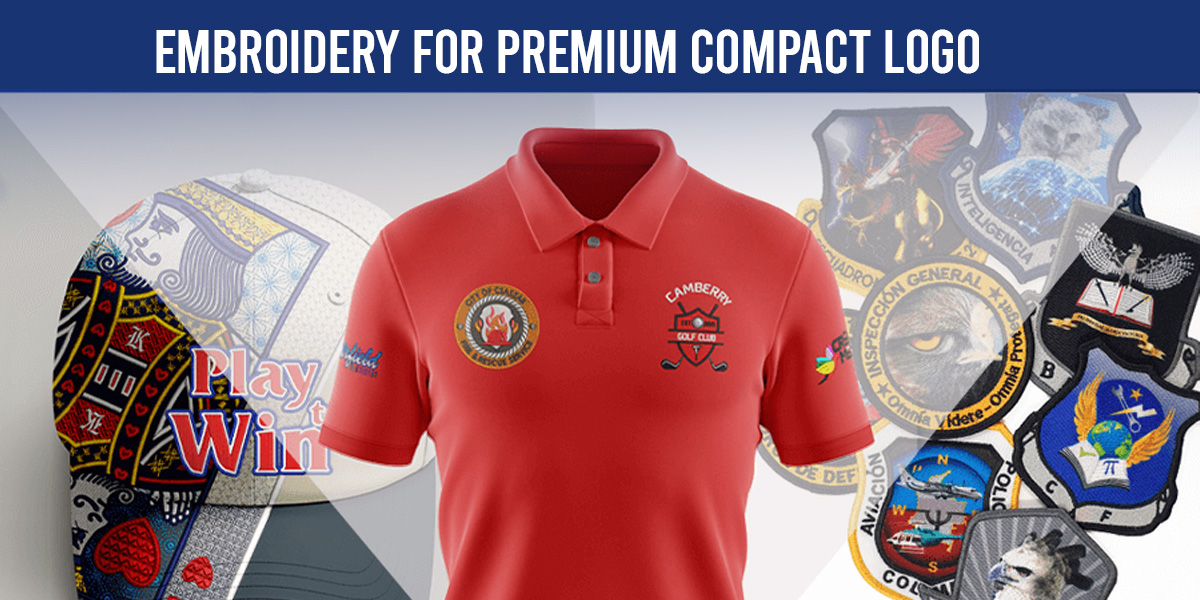
Embroidery is often the first choice for a left-chest company logo where the artwork is relatively simple. The raised thread finish looks established and professional, especially on polos and structured shirts. It can also be useful for names, departments and small role identifiers.
Before approval, check how the stitching interacts with pockets and seams. A chest pocket can restrict logo height or require the design to sit above the pocket rather than directly over it.
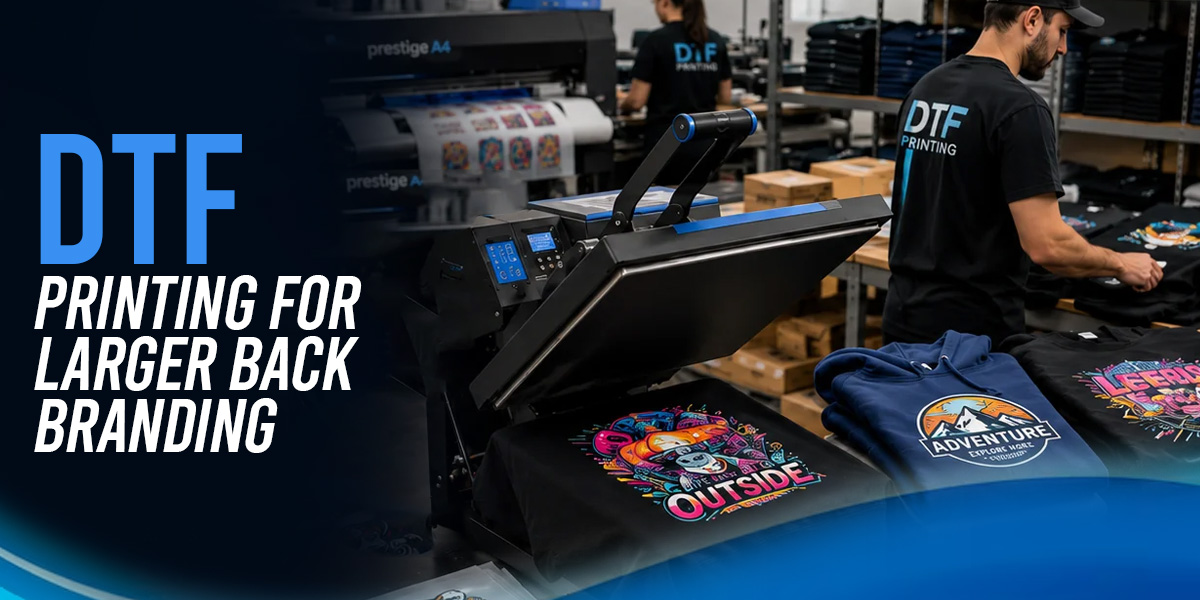
Choose printing for larger back branding
For large company names, telephone numbers or multicolour logos on the back, printing is often more practical. A very large embroidered design can add weight, reduce flexibility and increase production time. Printing can cover a wider area while keeping the garment relatively light.
For workwear, keep the design readable from a useful distance. A back logo should not become a dense block of tiny contact details. Prioritize the company name or logo, then add only the information workers genuinely need displayed.
Consider the logo artwork itself
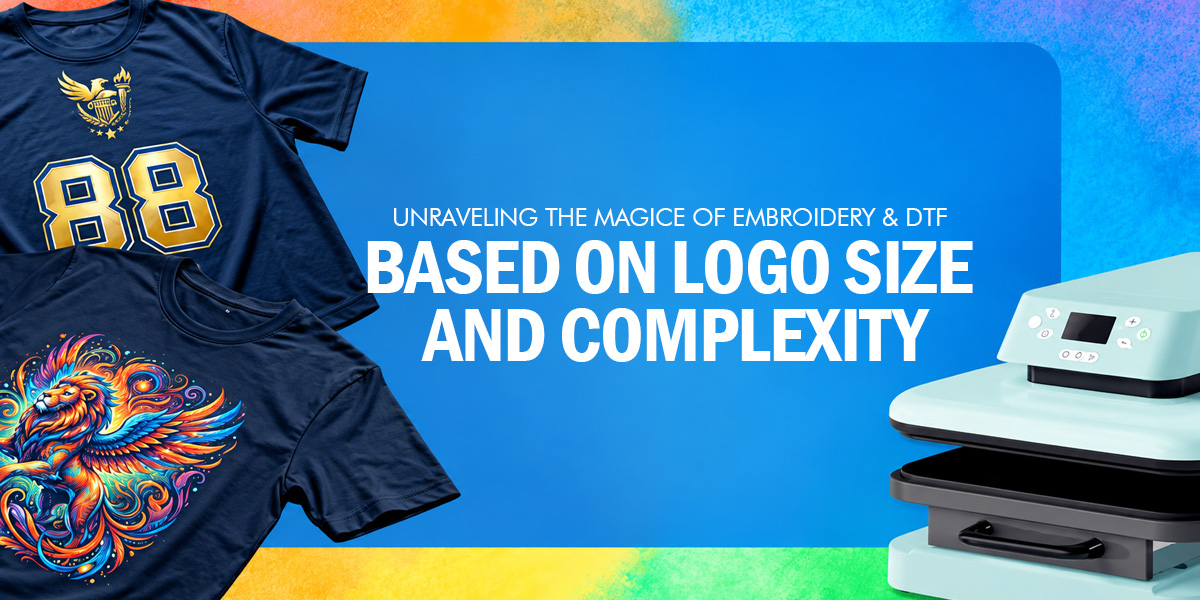
A simple one- or two-colour emblem can work beautifully in embroidery. A logo with gradients, fine lines, multiple small colour areas or tiny text may reproduce more faithfully as a print. Good suppliers do not simply apply the file they receive; they check whether the artwork needs to be simplified, enlarged or converted for the chosen process.
Think about fabric and garment weight
Lightweight garments can distort if embroidery is too dense. Heavy workwear may support stitching well, but the backing and placement still need to be considered. Printing also depends on fabric behavior under heat. This is why a branding decision should never be made only from the logo file.
For construction and industrial clothing, review the garment specification first. Our coverall fabric and GSM guide explains why fabric weight matters when buying UAE workwear.
Compare cost based on the actual design
There is no useful rule that one method is always cheaper. Embroidery cost can increase with stitch count, design size and complexity. Printing cost depends on artwork size, garment compatibility, quantity and production setup. Ask for pricing using the final logo dimensions and positions rather than asking for a generic “logo price.”
For a bulk order, a small difference per piece becomes meaningful. But choosing a cheaper method that looks poor or fails early can cost more when uniforms need reworking.
Use a combination when the uniform needs it
Many company uniform programs do not need to choose only one method. A polo or work shirt can use embroidery on the chest for a premium logo and printing on the back for larger identification. The combination should still be tested to make sure the garment remains comfortable and the design is balanced.
Always approve position and dimensions
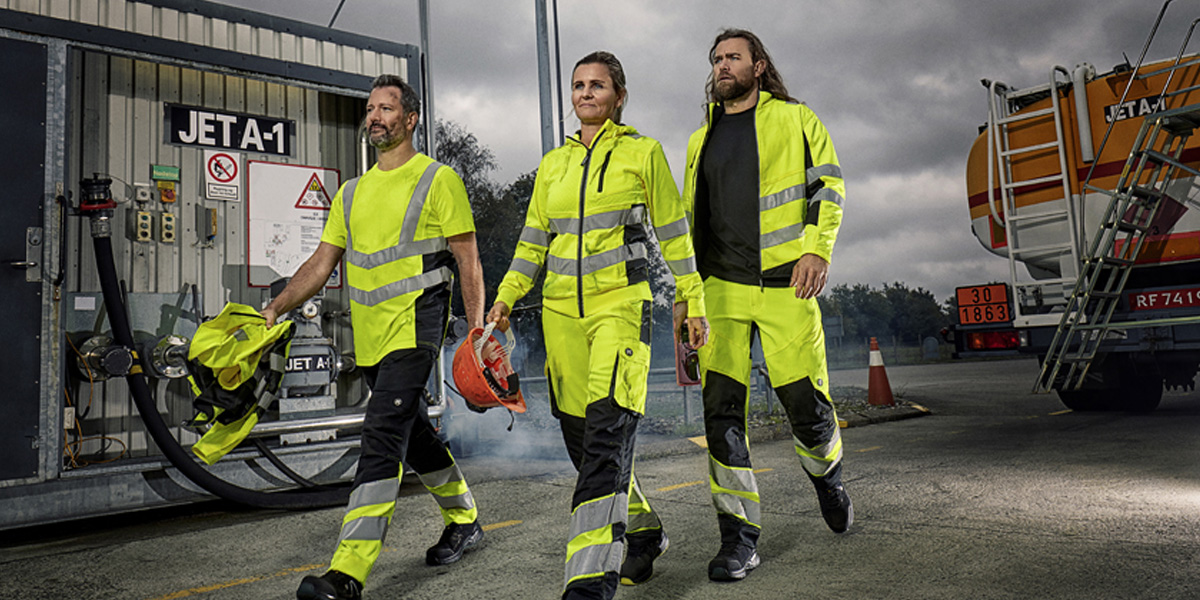
“Left chest” is not a complete production instruction. Logo width, distance from seams, relationship to pockets and back placement should be approved visually. For repeat orders, save those dimensions with the artwork. This prevents the logo from moving slightly each time a new batch is produced.
Wash care affects the finished result
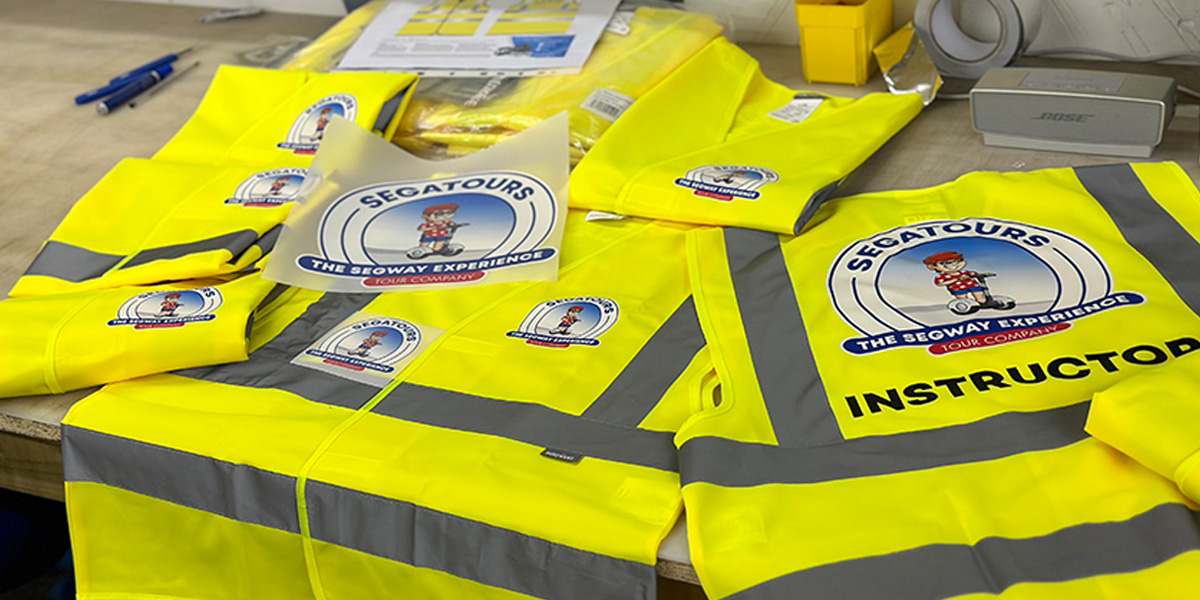
Uniforms used by construction, logistics and facilities teams may be washed frequently. Follow the care instructions for both the garment and applied branding. Excessive heat, aggressive chemicals or unsuitable drying can shorten the life of a print or garment. Embroidery is robust, but the garment underneath still needs correct care.
Which method should your Dubai company choose?
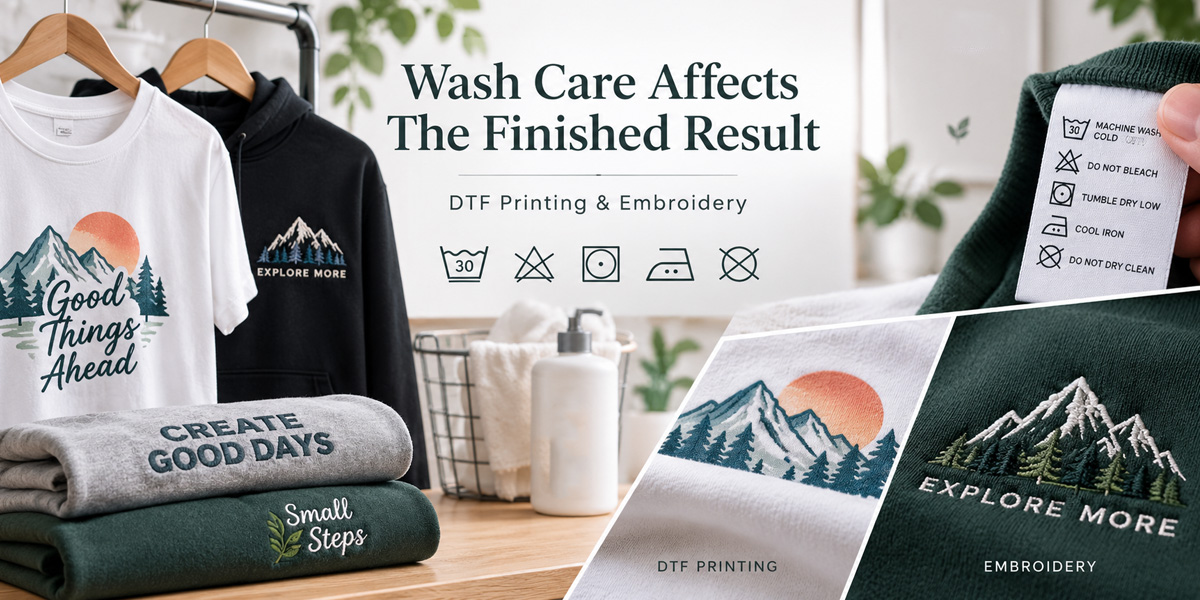
Use embroidery when you want a premium, compact, durable chest logo and the artwork suits stitching. Use DTF-style printing when you need fine detail, many colours or a larger branding area. For some uniforms, combine both. The most important step is to test the final design on the actual garment before the full bulk run.
If you are ordering staff clothing, browse Xpertone’s uniform range. For crews that need high-visibility identification, see customizable safety vests.
Need uniforms printed or embroidered with your logo?
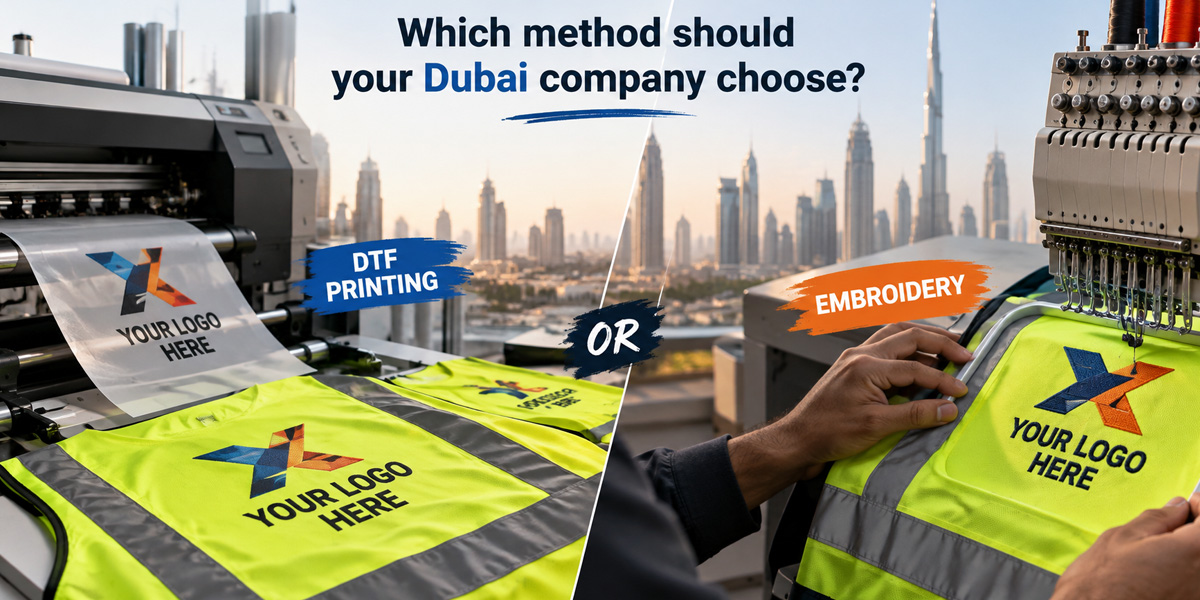
Send Xpertone Creative LLC-FZ your garment requirement, quantity and logo for a Dubai/UAE quotation.
Frequently asked questions
Is embroidery better than DTF printing for uniforms?
Neither is always better. Embroidery suits compact premium logos; printing is useful for detailed multicolour or larger artwork.
Which method is better for a large logo on the back?
Printing is often more practical because large embroidery can become heavy and stiff.
Can DTF printing be used on work uniforms?
Yes on compatible garments. Fabric, heat tolerance, wash conditions and placement should be checked first.
Which branding method works best for polo shirts?
Embroidery is popular for small chest logos, while printing can suit detailed or larger designs.
Should I approve a sample before bulk uniform printing?
Yes. Approve garment colour, logo dimensions, placement and finished branding before bulk production.